
Choosing among senior living communities can feel overwhelming. Many families compare square footage, amenities, and monthly costs first. However, these factors only tell part of the story.
When evaluating options, it’s important to look deeper. Culture, wellness programs, dining experiences, and care flexibility often shape daily life far more than floor plans alone.
Here are several factors families often overlook when comparing senior living communities.
1. Community Culture and Resident Engagement
First, consider the community culture. A welcoming environment helps residents feel comfortable and connected.
For example, communities that prioritize resident engagement often host events, clubs, and social gatherings. These programs encourage friendships and help residents stay active.
At communities like Asbury Heights in Pittsburgh, residents often enjoy meaningful connections through shared activities. As a result, many residents quickly feel at home.
Additionally, ask how the community supports new residents during their transition.
2. Consistency of Staff and Care Teams
Next, staffing consistency plays a major role in quality of life.
When caregivers and team members stay long-term, they build relationships with residents. Consequently, residents receive more personalized attention.
Ask how long staff members typically remain with the community. Also, inquire about staff-to-resident ratios.
Communities that invest in stable teams often provide more consistent and compassionate care.
3. Dining Quality and Flexibility
Dining is another important factor families sometimes overlook.
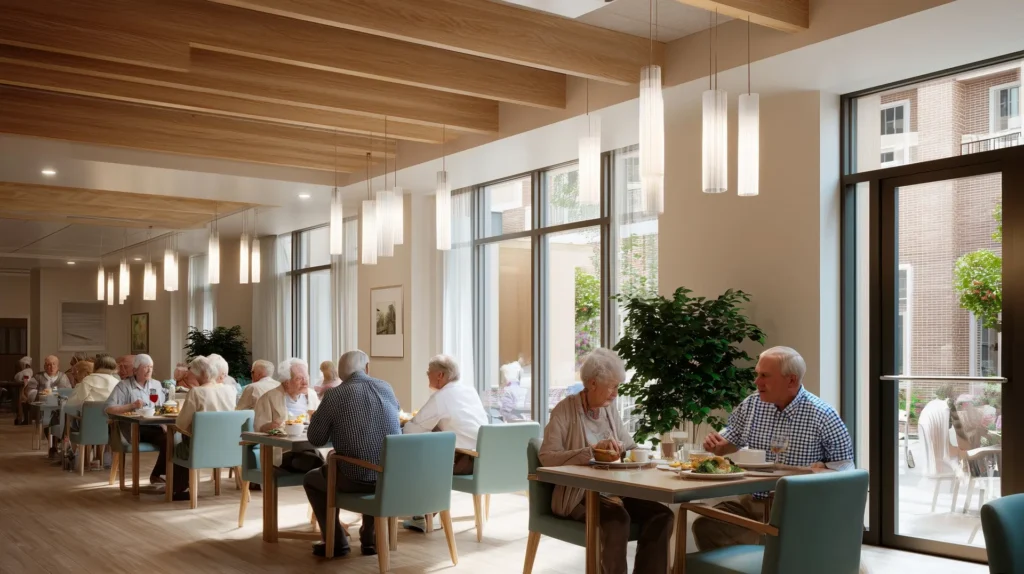
High-quality senior living dining programs can make everyday life more enjoyable. Fresh meals, flexible menus, and welcoming dining spaces help residents maintain both nutrition and social interaction.
In many communities, dining also becomes a social highlight of the day. Residents gather with friends, share stories, and enjoy chef-prepared meals together.
Therefore, when touring a community, ask to see a sample menu or even schedule a meal visit.
4. Wellness and Lifestyle Programming
In addition, strong senior wellness programs support physical, emotional, and social well-being.
Look for communities that offer:
- Fitness classes
- Educational programs
- Volunteer opportunities
- Cultural or spiritual events
These programs help residents stay active and engaged.
Moreover, wellness initiatives often promote independence and overall happiness. Communities that prioritize wellness usually create a vibrant and supportive lifestyle.
5. Long-Term Flexibility of Care
Finally, consider the long-term care options available.
Needs may change over time. Because of this, many families prefer senior living communities that provide multiple levels of care.
For instance, some communities offer independent living, personal care, and memory support on one campus. This flexibility allows residents to remain in a familiar environment if care needs evolve.
As a result, families gain peace of mind knowing support is available when needed.
Making a More Informed Decision
Comparing senior living communities requires more than reviewing pricing or apartment sizes. Instead, families should evaluate culture, staff consistency, dining experiences, wellness programs, and future care options.
When these factors come together, residents often experience a richer and more fulfilling lifestyle.
If you are exploring options in the Pittsburgh area, the team at Asbury Heights is happy to help guide your search.
📘 Download our Family Decision Guide to learn what questions to ask when comparing senior living communities.
For more information, visit https://asburyheights.org/ or call (412) 923-0762 to connect with the community team.